
Pittsburgh’s late-summer weather can feel mild, but colder mornings, heavier rain, wet leaves, and freezing temperatures are not far away. Fall is the right time to find small problems before they become winter breakdowns.
This checklist focuses on the parts of seasonal preparation beyond tire selection. If you recently read our guide to all-season versus winter tires for Pittsburgh driving, use this guide to prepare the rest of your car, truck, or SUV.
A quick fall checkup can help keep you comfortable, improve reliability, and make daily driving safer on Pittsburgh-area roads.
1. Test the Battery and Charging System
Cold weather puts extra demand on your vehicle’s battery. The battery powers the starter, lights, heater fan, rear defroster, and other electrical systems. A battery that starts normally in August may struggle on a freezing morning.
Before temperatures drop, have your technician:
- Test the battery’s starting capacity.
- Check the alternator and charging system.
- Inspect battery cables and terminals.
- Clean corrosion and tighten loose connections.
- Look for a swollen, cracked, or leaking battery case.
Pay attention to slow cranking, dim headlights, flickering dashboard lights, or the need to jump-start your vehicle. These signs can point to a weak battery or a charging problem.
Our electrical services include battery, alternator, starter, lighting, and charging-system repairs. Testing the system now can help you avoid being stranded after the first hard freeze.

2. Check the Oil and Essential Fluids
Fluids protect important components as temperatures change. Follow your owner’s manual for service intervals and fluid specifications, and do not wait until a warning light appears.
Check these fluids during your fall visit:
- Engine oil: If your vehicle is due, schedule an oil and filter change. Fresh oil helps protect engine parts during cold starts.
- Coolant: Check the level and condition, and confirm that its freeze protection is appropriate for Pennsylvania temperatures.
- Brake fluid: A low level may indicate a leak or worn brake components.
- Transmission fluid: Check for leaks or unusual color and odor when service is due.
- Windshield washer fluid: Use a cold-weather formula that will not freeze on the windshield.
If you are searching for an oil change in Verona, PA, fall is a convenient time to combine that service with a broader seasonal inspection. Our technicians use manufacturer-recommended service intervals and explain what your vehicle needs without adding unnecessary work.
3. Inspect Belts, Hoses, and Leaks
Rubber belts and hoses can become brittle with age. A failed serpentine belt can disable the alternator, power steering, and other accessories. A damaged coolant hose can lead to overheating at the worst possible time.
Ask for an inspection of:
- Serpentine and accessory belts.
- Radiator and heater hoses.
- Hose clamps and connections.
- Oil, coolant, brake fluid, and transmission leaks.
- Cracks, fraying, soft spots, swelling, or glazing.
Look at your parking spot, too. New puddles or spots under the vehicle deserve attention. Coolant may have a sweet smell, while an oil leak often leaves a dark stain. Never ignore an overheating gauge, steam from under the hood, or a coolant warning.
Early repairs are usually easier to plan than major repairs caused by driving with a failing belt, hose, or low fluid level. If a seasonal check reveals a larger issue, our team also provides engine repair in Pittsburgh for all makes and models.
4. Check the Brakes Before Roads Get Slick
Wet leaves, rain, hills, bridges, and early-morning frost can make stopping more difficult. Your brakes need to work consistently before conditions become unpredictable.
Have a professional inspect the:
- Brake pads and shoes.
- Rotors and drums.
- Calipers and wheel cylinders.
- Brake lines and hoses.
- Brake fluid and parking brake.
- Overall braking performance.
Schedule brake repair in Pittsburgh if you notice squealing, grinding, pulling, vibration, a soft pedal, or longer stopping distances. A brake warning light also requires prompt attention.
Do not wait for grinding. Squealing may be an early warning that brake pads are wearing down. Grinding can mean the friction material is gone and other components are being damaged.
5. Improve Visibility and Test the Heater
Fall brings shorter days, more rain, morning fog, and leaves on the road. Clear glass and working lights are essential for seeing other drivers and being seen.
Inspect the following:
- Windshield wipers for streaking, cracking, or skipping.
- Washer nozzles and fluid spray.
- Headlights, high beams, taillights, brake lights, and turn signals.
- Headlight lenses for cloudiness.
- Windshield chips and cracks.
- Front and rear defrosters.
- Cabin heater and blower fan.
Replace wipers if they leave lines across the glass. Test the defroster before you need it on a cold morning. A weak heater may be a comfort issue, but it can also prevent the windshield from clearing properly.

If your lights are dim, flickering, or not working, schedule an inspection rather than replacing bulbs blindly. The problem could involve wiring, the alternator, a fuse, or another electrical component.

6. Check Tire Pressure, Alignment, and Suspension
This is not about choosing between all-season and winter tires. It is about making sure the tires and wheel assemblies already on your vehicle are ready for changing conditions.
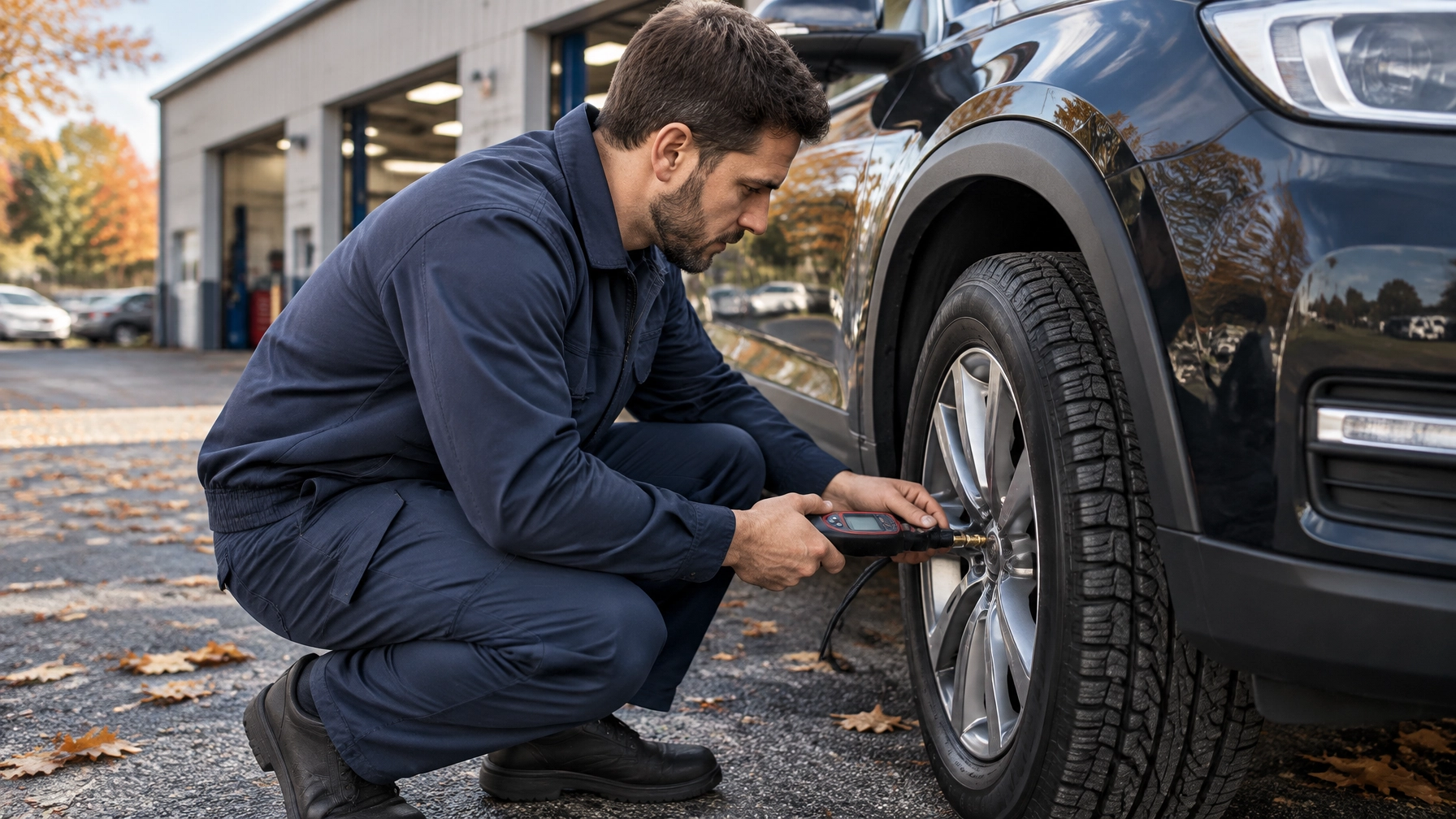
As temperatures fall, tire pressure can drop. Check the pressure when the tires are cold and compare it with the vehicle manufacturer’s recommended setting. Also inspect:
- Uneven tread wear.
- Sidewall cracks, cuts, or bulges.
- The spare tire.
- Wheel balance.
- Steering and suspension components.
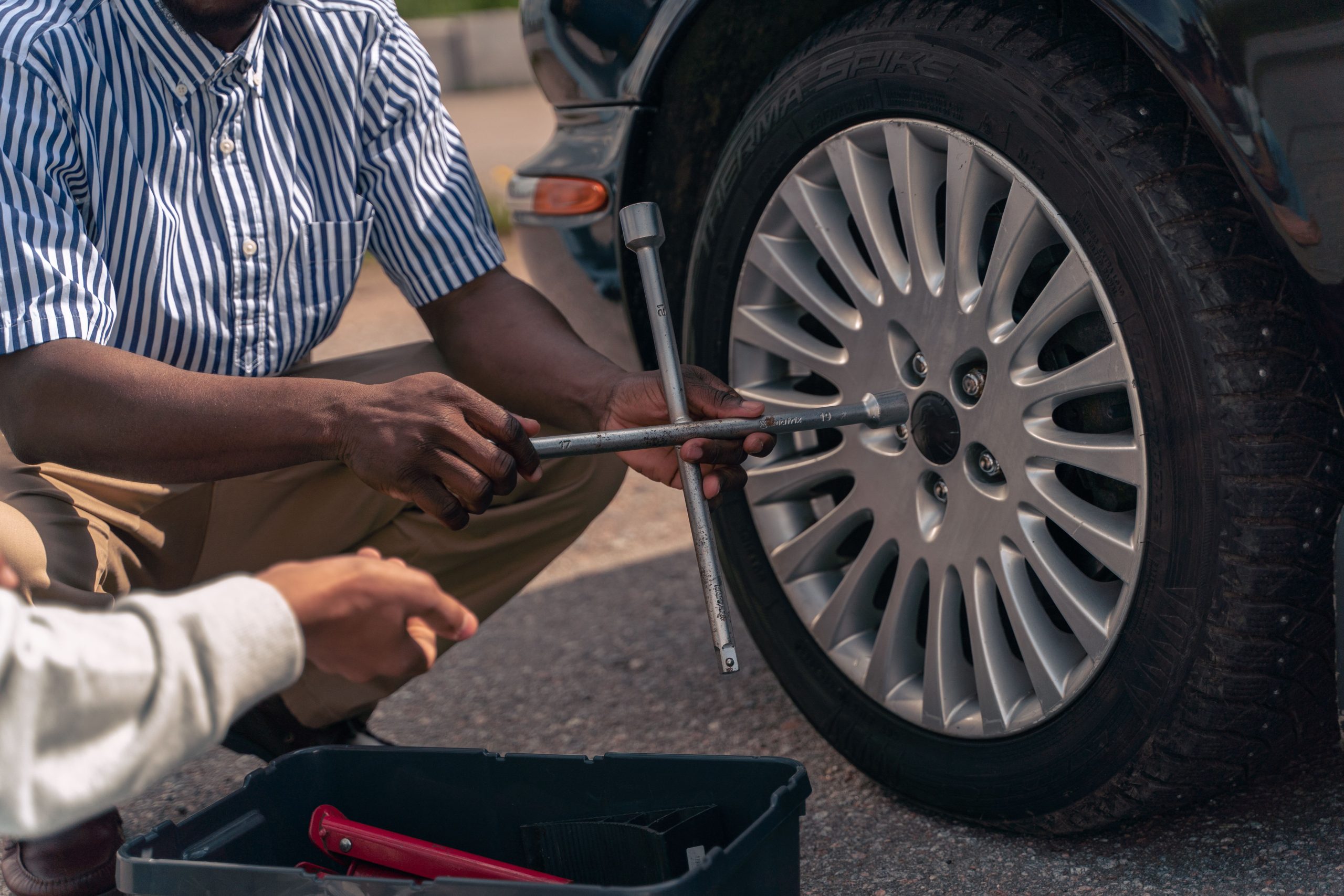
Pittsburgh potholes can move a wheel out of alignment or damage suspension parts. Signs of a problem include pulling to one side, an off-center steering wheel, vibration, or wear on one edge of a tire.
Our steering and suspension services can help identify alignment, shock, strut, and other handling concerns before winter roads make them more noticeable.
7. Confirm Your PA Inspection and Check Warning Lights
Fall is a good time to confirm when your safety and emissions inspections expire. Pennsylvania inspections evaluate required safety components such as brakes, lights, tires, steering, and suspension. Emissions testing may also apply based on your vehicle and location.
If you are searching for a car inspection in Pittsburgh or a PA state inspection near me, choose an official Pennsylvania State Inspection Station that can explain any concerns clearly.
Do not ignore dashboard warnings while preparing for the season. A check engine light, battery light, ABS light, or temperature warning can point to a problem that becomes more serious in cold weather.
A car diagnostic service uses advanced equipment and professional testing to identify the cause instead of guessing. If the result points to an engine, electrical, brake, or emissions concern, you can review the repair plan before approving the work.
Make Fall Maintenance Easier
Oakmont Automotive & Harmar Tire & Service is a family-owned, veteran-owned business serving the Pittsburgh area with two locations in Verona and the surrounding Pittsburgh area. Our certified technicians service all makes and models and explain recommendations in straightforward language.
We provide:
- Transparent pricing with no hidden surprises.
- Same-day service for many common repairs.
- Loaner vehicles and shuttle service for added convenience.
- Flexible financing through Synchrony Car Care for approved customers.
- A 24-month/24,000-mile nationwide warranty on qualifying services through the TechNet Professional Network.
Customers often mention the same qualities in their reviews. One Harmar Tire & Service customer described the team as “a rare honest mechanic” because prices and parts were explained openly and work was completed promptly.
Fall Car Care FAQs
When should I schedule a fall vehicle inspection?
Schedule it before the first sustained cold weather, ideally in late summer or early fall. This gives you time to address battery, brake, fluid, visibility, and inspection concerns before winter demand increases.
How do I know if my battery is ready for winter?
You cannot judge battery health by appearance alone. Slow starting, dim lights, corrosion, or a battery more than a few years old are reasons to request a professional battery and charging-system test.
Does a PA state inspection check brakes and lights?
Yes. Pennsylvania safety inspections include required components such as brakes, lights, tires, steering, and suspension. Emissions testing is a separate requirement that may also apply.
Should I get a diagnostic test if the check engine light is not flashing?
Yes. A steady light still indicates that the vehicle computer detected a problem. Prompt diagnostic testing can help identify the cause before it affects performance or leads to a more expensive repair. A flashing check engine light requires immediate attention.
Book Your Fall Checkup
Do not wait for the first freezing morning to find a weak battery, worn brakes, poor visibility, or overdue maintenance. Schedule a quick fall checkup at Oakmont Automotive & Harmar Tire & Service and get clear recommendations from certified technicians.
Book now for reliable auto repair in Pittsburgh and seasonal service in the Verona area. Contact us for an inspection, oil change, brake check, diagnostic service, or complete fall readiness review.